

Medical Massage Claims Made Simple for Workers Comp, MVC, and Liability
Pain after an injury is hard enough. The claim process should not add another layer of stress.
Medical massage and manual therapy may be covered when care is tied to a valid claim and supported by a doctor’s prescription. That can include workers compensation injuries, motor vehicle collision claims, and personal liability claims. The key is knowing what paperwork is needed, who must approve treatment, and how each type of claim tends to move.
This guide explains the basics in clear terms. It does not replace legal, medical, or insurance advice. Claim rules vary by state, insurer, employer, and policy. Still, the core steps are similar: get the right referral, document the injury, confirm claim details, and keep records from the first visit forward.

Medical massage claims start with a clear medical need
A successful claim usually begins with a medical reason for care. That reason should come from a licensed medical provider, such as a physician, chiropractor, nurse practitioner, or other provider allowed under the claim rules.
For medical massage or manual therapy, a prescription or referral may include:
The diagnosis or injury being treated
The affected body area
The recommended type of care
The frequency and duration of visits
Any work, activity, or movement restrictions
The provider’s contact information and signature
This documentation matters because insurance adjusters need to see that treatment connects to the injury in the claim. A general note that says “massage as needed” may not be enough. A clear prescription that says manual therapy is recommended for neck strain after a covered collision, for example, gives the claim a stronger foundation.
Medical massage is not the same as a relaxation massage when it is part of an injury claim. The care should be tied to a treatment plan, documented after each visit, and focused on functional recovery. That might include improving range of motion, reducing muscle guarding, helping soft tissue mobility, and supporting the plan set by the treating provider.
Coverage is never automatic. Approval depends on the type of claim, the policy, state rules, medical necessity, and whether the required steps were followed.
The three claim paths are different
Workers compensation, motor vehicle collision claims, and personal liability claims all involve injury care, but they do not work the same way. Each one has its own process, forms, and approval path.
Workers compensation claims follow workplace injury rules
Workers compensation generally applies when an injury happens in the course of employment. Examples may include a back strain from lifting, shoulder pain after repetitive tasks, or a neck injury from a fall at work.
For medical massage or manual therapy to be considered under workers comp, the claim usually needs:
A reported workplace injury
An active claim number
A treating provider involved in the case
A prescription or referral for manual therapy
Approval from the workers compensation carrier, adjuster, or case manager when required
Some workers compensation systems are strict about provider networks. In certain cases, treatment must come from an approved provider or be authorized before care begins. Starting care without approval may create billing problems later.
A good intake process should confirm the claim number, adjuster contact, employer information, date of injury, and treating provider. It should also verify whether preauthorization is needed before the first appointment.
Motor vehicle collision claims often involve medical benefits or injury settlements
A motor vehicle collision claim, often called an MVC claim, may involve several types of coverage. Depending on the state and policy, benefits may come through personal injury protection, medical payments coverage, bodily injury liability, or another coverage type.
Common MVC injuries that may lead to manual therapy referrals include soft tissue injuries, whiplash-associated symptoms, shoulder strain, low back pain, and muscle guarding after impact. Care must still be medically supported. The collision alone is not enough.
For an MVC claim, useful details include:
Date of collision
Claim number
Insurance company name
Adjuster contact information
Treating doctor or referring provider
Prescription for massage or manual therapy
Attorney information, if represented
Any explanation of benefits or approval letters already received
MVC claims can become complex because fault, policy limits, state law, and medical documentation all matter. Some clinics bill the auto insurer directly when allowed. Others may require payment at the time of service and provide documentation for reimbursement. The exact setup should be confirmed before treatment begins.
Personal liability claims depend on who is responsible
Personal liability claims may arise when an injury occurs on someone else’s property or due to another party’s negligence. Examples may include a slip and fall, an injury at a private residence, or an incident covered under a homeowner’s or business liability policy.
These claims can be less predictable than workers comp or auto claims. Liability may be disputed. The insurer may not agree to pay medical providers directly. Some cases may be handled through an attorney or settled after treatment is complete.
Manual therapy may still be part of the care plan if a doctor prescribes it, but the billing path must be clear before services begin.
For personal liability claims, the most helpful starting information includes:
Date and location of injury
Insurance carrier and claim number
Adjuster contact details
Attorney contact details, if involved
Written referral or prescription
Any letter of protection or payment agreement, if applicable
A provider should not assume that a personal liability claim will pay for treatment. Clear communication at intake helps avoid confusion for everyone involved.
What makes a claim ready for medical massage or manual therapy
Before treatment begins, the claim should be reviewed for completeness. This does not mean every claim will be approved. It means the basic pieces are in place so the request can be presented properly.
A claim is usually easier to process when these items are ready:
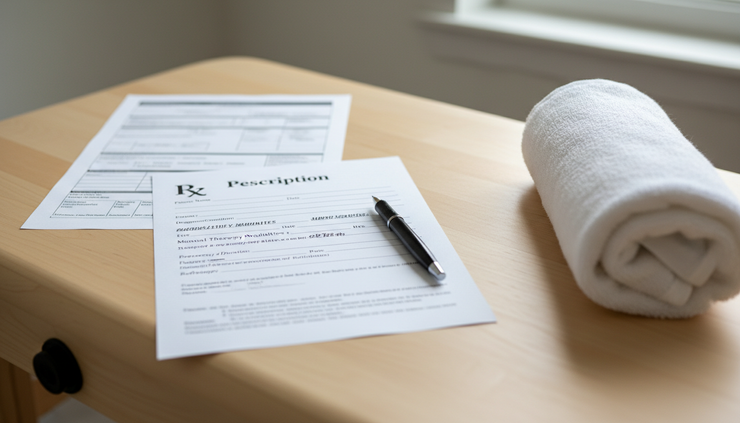
A current doctor’s prescription
The referral should clearly connect the therapy to the injury. It should also be recent enough to reflect the current condition and treatment plan.
An active claim number
The claim number allows the provider to communicate with the insurer, adjuster, case manager, or legal representative.
Accurate injury details
The date of injury, body area involved, and claim type should match across records.
Authorization when required
Some claims require written approval before treatment. Others allow care to begin after verification. Guessing can lead to denied bills.
A clear billing plan
Direct billing, reimbursement, private pay, medical payments coverage, and attorney-directed arrangements all work differently.
Ongoing treatment notes
Each visit should have documentation that reflects the care provided, the area treated, client response, and any changes in function or symptoms.
The best claims process is organized before the first hands-on session. That saves time and reduces the chance of missing information after care has already started.
How the claim process usually works
Every claim has its own rules, but the basic process often follows the same path.
Start with a prescription or referral
The first step is getting a written order from the treating provider. This is the bridge between the injury claim and the manual therapy plan.
The prescription should be specific. It may include manual therapy, medical massage, soft tissue therapy, myofascial work, or another term used by the referring provider. The exact wording may matter to the insurer, so it helps when the document is clear and complete.
Collect the claim information
Next, the claim details are gathered. This may include the insurance carrier, claim number, adjuster name, employer information for workers comp, accident details for MVC claims, or liability carrier information for personal injury claims.
At this stage, accuracy matters. A wrong claim number or outdated adjuster contact can delay approval and payment.
Verify benefits and authorization needs
Once the claim details are available, the provider can check whether manual therapy may be considered and whether authorization is required.
This step may include contacting:
The insurance adjuster
A case manager
The employer’s workers comp representative
The auto insurance carrier
An attorney’s office, if involved
The referring medical provider
Verification is not the same as a guarantee of payment. It helps confirm the next right step.
Schedule care according to the treatment plan
After the paperwork and authorization path are clear, sessions can be scheduled. The visit frequency should match the prescription, approval, and medical need.
For example, a referral might recommend care once or twice per week for a set number of weeks. If more care is needed later, updated documentation or a new authorization may be required.
Document each visit
Records are a major part of claim-based care. Treatment notes should support why care was provided and how it relates to the injury.
Good treatment notes often include:
Areas treated
Techniques used
Session length
Pain or symptom reports
Functional changes
Tolerance to care
Plan for the next visit
This documentation helps the referring provider, the insurer, and the claim file understand the course of care.
Review progress and update the plan
Injury recovery changes over time. If symptoms improve, the plan may taper. If symptoms persist, the referring provider may need to reassess the condition.
Manual therapy should fit into the larger care plan. It may be used along with medical visits, chiropractic care, physical therapy, home exercises, modified work duties, or other provider-directed treatment.

Common paperwork problems that slow claims down
Claim delays often come from small but avoidable issues. Fixing these early can make the process smoother.
The prescription is too vague
A vague prescription may not identify why care is needed or what should be treated. A stronger referral names the injury area and recommended service.
For example, “manual therapy for cervical and upper back strain related to work injury” is usually more useful than “massage therapy.”
The claim has not been accepted yet
Sometimes an injury has been reported, but the insurer has not accepted the claim. In that case, approval may be delayed or denied. The provider may need to wait for confirmation or create a separate payment agreement.
The wrong insurance is listed
An injury claim is different from regular health insurance. Workers comp, auto insurance, and liability carriers each have their own claim systems. Sending paperwork to the wrong payer can create delays.
Authorization was skipped
Some claim types require approval before care begins. If that step is missed, payment may be denied even when care was medically reasonable.
Records do not match
Dates, body areas, diagnosis terms, and claim numbers should line up. If the doctor’s note says low back injury but the massage notes focus only on the shoulder, the claim reviewer may ask questions.
Treatment continues after approval expires
Many approvals cover a limited number of visits or a set date range. Once that limit is reached, updated authorization may be needed.
What to bring to the first appointment
Being prepared for the first visit helps the provider review the claim faster. When possible, bring or send the following before scheduling:
Doctor’s prescription or referral
Claim number
Insurance carrier name
Adjuster or case manager contact information
Date of injury or collision
Attorney contact information, if represented
Any approval letters or benefit information
Photo ID
Relevant medical notes, if available
If the claim involves workers compensation, employer information may also be needed. If it involves a motor vehicle collision, auto insurance details and medical payments information may help. If it involves personal liability, provide the liability carrier and claim representative if known.
The goal is simple: create a clean file from the start.
What medical massage documentation should show
Documentation does not need to be complicated, but it does need to be useful. A claim reviewer should be able to understand what happened in each session and why it was connected to the injury.
Strong medical massage documentation may show:
The reason for the visit
The body areas addressed
The manual therapy techniques used
Changes in movement, pain, or daily function
Client tolerance and response
Communication with the referring provider when needed
The plan for continued care or discharge
This is where claim-based care differs from a standard wellness appointment. Medical massage claims made simple for workers comp, MVC, and liability begin with structure. The session may still feel supportive and hands-on, but the record behind it must be clear.
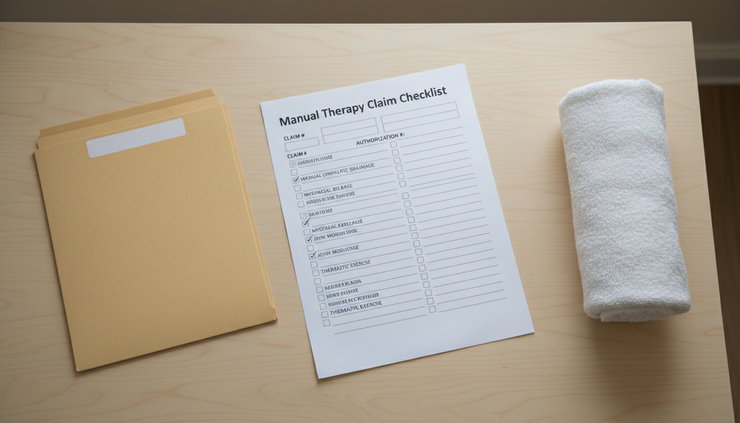
A simple claim checklist
Use this quick checklist before starting treatment under an injury claim.
Step | What to confirm |
Prescription | The doctor or authorized provider has ordered medical massage or manual therapy |
Claim type | The injury falls under workers comp, MVC, or personal liability |
Claim number | The claim is active or ready for review |
Adjuster contact | The correct claim representative can be reached |
Authorization | Any required approval is obtained before treatment |
Billing plan | Everyone understands how payment will be handled |
Visit notes | Each session will be documented for the claim file |
Updates | New authorization or referral will be requested if care continues |
A checklist cannot guarantee payment, but it can prevent many common errors.
The best time to ask questions is before care starts
Claim-based treatment works best when expectations are clear at the beginning. Before the first session, ask how the claim will be handled, what approvals are needed, and what happens if the insurer denies payment.
Good questions include:
Has the prescription been reviewed?
Is authorization required before the first visit?
Will the provider bill the claim directly, if allowed?
What happens if the claim is delayed or denied?
How many visits are approved?
Will updated documentation be needed?
How are treatment notes shared with the referring provider or claim representative?
These questions protect the client, the provider, and the claim file. They also keep the focus where it belongs, on appropriate care and steady recovery.
The takeaway
Medical massage and manual therapy can be part of injury care when the claim is properly documented and supported by a doctor’s prescription. Workers compensation claims, motor vehicle collision claims, and personal liability claims each have different rules, but they all depend on clear records, accurate claim details, and the right authorization path.
The simplest next step is to gather the prescription, claim number, adjuster information, and injury details before scheduling. With those pieces in place, the claim can be reviewed, the billing path can be explained, and treatment can begin with fewer surprises.
Comments